
Helping refugee teens get a fair treatment in their first jobs
This project supports Ukrainian refugee teenagers in Poland and Germany for decent work contracts, safety and health protections.
COZZ leads a consortium with UNI Europa and the Warsaw-based education organization, Fundacja Pro Futuro, to carry out the project, “Stepping into a job: Helping Ukrainian Refugee Teens Enter the Central European Labour Market Safely and Legally, and Weighing the Trade-offs with Education“. With the support of the European Social Fund+ Social Innovation+ Initiative, the project aims to support Ukrainian refugee teenagers in Germany and Poland to plan for careers, balance school and jobs, and understand their rights and how to respond to unfair situations..
Since the Russian invasion of Ukraine in February 2022, Poland and Germany have accepted nearly 2.2 million Ukrainian refugees. Of these almost 350,000 are teenagers between 15 and 19 years old, entering the labour markets for the first time, including through informal markets, and with unfair and abusive contracts. Nearly half of refugee teens in Poland don’t participate in the public education system. Lacking both local language skills and knowledge of labour regulations, and under great pressure to find work quickly, many of these youngsters are vulnerable to exploitation.
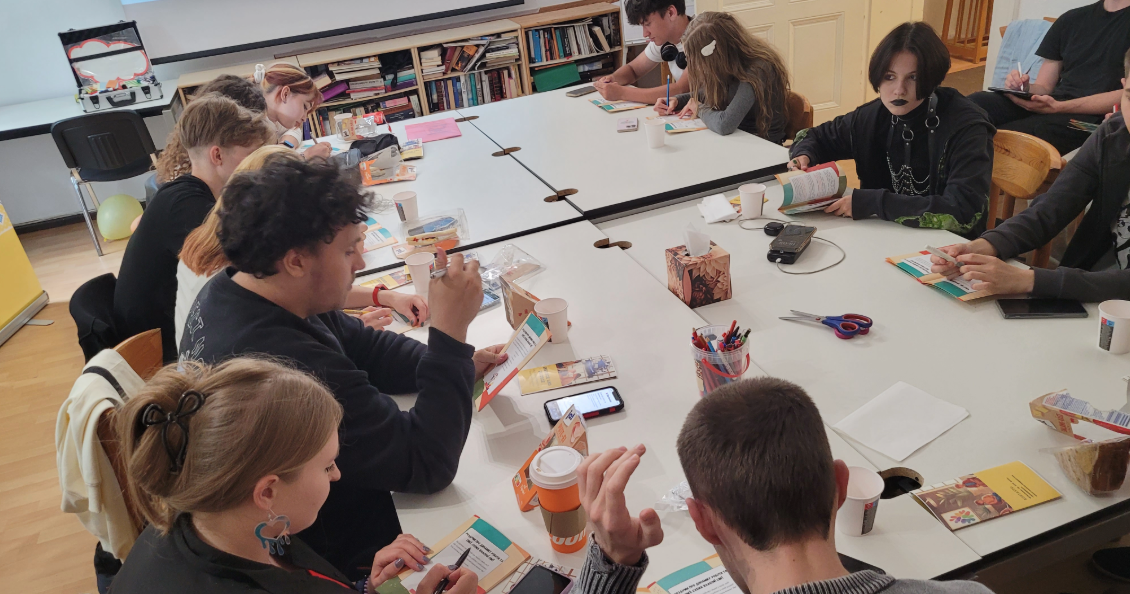
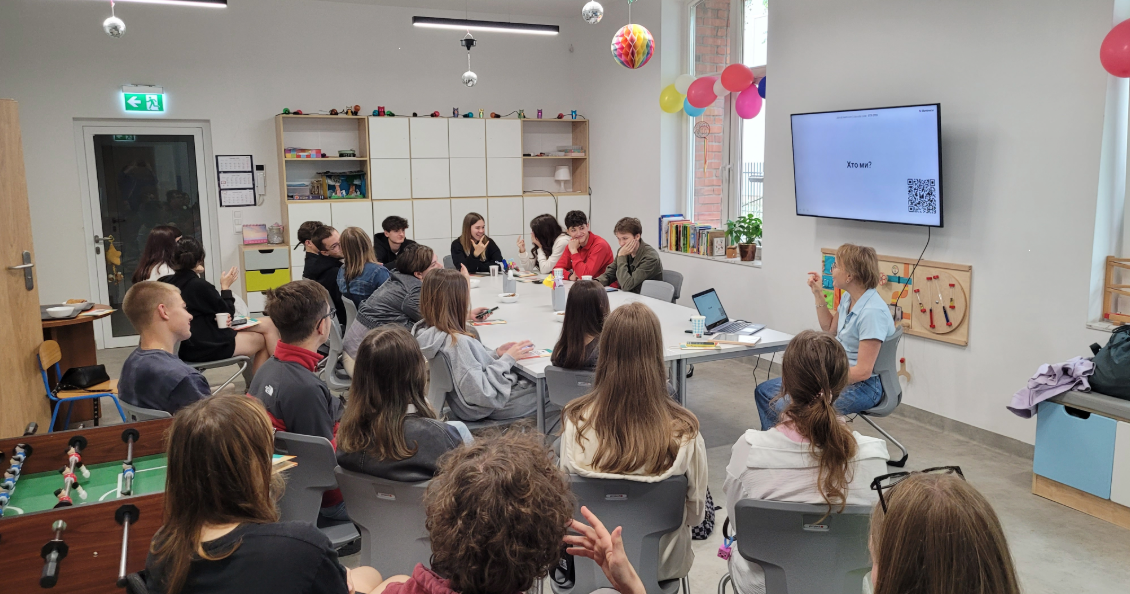
During 2025-2026, the project team meets with more than 4000 Ukrainian youth across high schools and community centers in Poland and Germany, assessing knowledge gaps, providing training, and developing a courseware app that helps teens plan careers and know their rights. The app are be complemented by live counsellors and the Unions Help Refugees helpline, offering personal and confidential support.
Contact: Colleen Mascenik, Project Coordinatore and Deputy Director for Projects & Strategy, COZZ.

This project (ESF-SI-2024-UA-01-0089) is supported by the European Union.
**Funded by the European Union. Views and opinions expressed are however those of the author(s) only and do not necessarily reflect those of the European Union or European Social Fund Agency. Neither the European Union nor the Granting Authority can be held responsible for them.
As part of the ‘Stepping into the Job’ project, we are also carrying out a public task of financing our own contribution to the European project
Public task “Vstupayuchy na robotu (Stepping into a Job): Helping Ukrainian Refugee Teens Enter the Central European Labour Market Safely and Legally, and Weighing the Trade-offs with Education” is co-financed by the National Institute of Freedom – Centre for Civil Society Development as part of the government Programme for Civil Society Organisations Development for 2028-2030.
Funding value: 122 570,40 PLN
Total task value: 122 570,40 PLN
Description: The task aims to finance the Central European Organizing Center Foundation’s own contribution to the international project “Stepping into a Job.” The international project involves transferring the Ukrainian educational and consulting platform EduHub “Vstupayuchy na robotu” to support young Ukrainian refugees entering the labor markets in Poland and Germany.
Grant agreement signing date: 23.06.2026